
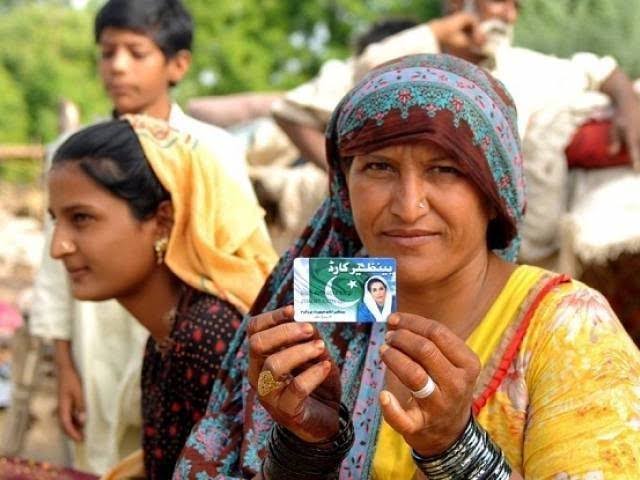
What is BISP?
The Benazir Income Support Programme (BISP) is Pakistan's largest social welfare initiative, created to provide financial assistance to low-income and vulnerable families. It was launched in July 2008 by the Government of Pakistan with the primary objective of reducing poverty and improving the quality of life for disadvantaged citizens. Named after former Prime Minister Benazir Bhutto, the program focuses on supporting families that struggle to meet their daily living expenses.
BISP was established to ensure that financial aid reaches deserving households through a transparent and organized system. Over the years, it has evolved into one of the country's most important social protection programs, helping millions of families cope with rising living costs, inflation, and economic challenges.
One of the key goals of BISP is to provide unconditional cash transfers to eligible families.
These payments help beneficiaries purchase essential items such as food, clothing, medicines, and other household necessities. In addition to direct financial assistance, the program also supports education and human development through initiatives that encourage children to attend school regularly.
Eligibility for BISP is determined using the National Socio-Economic Registry (NSER). The government conducts household surveys to collect information about family income, living conditions, education, employment, and assets. Based on this data, a Proxy Means Test (PMT) score is calculated to identify households that qualify for assistance. Families meeting the eligibility criteria are enrolled in the program and receive financial support through secure payment channels.
To improve transparency and reduce fraud, BISP has adopted modern technology. Beneficiaries are verified using their Computerized National Identity Card (CNIC) and biometric authentication before receiving payments. This digital verification process helps ensure that financial assistance reaches the rightful recipients while minimizing the risk of duplicate registrations or fraudulent claims.
BISP also operates several complementary initiatives aimed at improving the long-term well-being of poor families. One of the most significant is Benazir Taleemi Wazaif, an education support program that provides additional financial incentives to families whose children are enrolled in school and maintain regular attendance. This initiative encourages education among children from low-income households and helps reduce school dropout rates.
Another important component of the program focuses on women's empowerment. In many cases, financial assistance is issued directly to female heads of households. This approach strengthens women's financial independence and gives them a greater role in managing household expenses and making important family decisions.
The Government of Pakistan periodically updates beneficiary information through NSER surveys to ensure that assistance is provided to families who genuinely need support. Citizens who believe they qualify can visit designated BISP registration centers to update their information or participate in new surveys. Applicants can also check their eligibility and payment status using official BISP services, including SMS facilities and online portals.
Despite its achievements, BISP faces several challenges. These include identifying all deserving families, preventing fraudulent activities, ensuring timely payments, and maintaining accurate beneficiary records. Continuous improvements in digital systems, biometric verification, and data management have helped address many of these issues, making the program more efficient and transparent.
Today, BISP plays a vital role in Pakistan's social protection system. By providing financial relief, promoting education, supporting women, and reducing poverty, the program contributes to improving the lives of millions of citizens. As Pakistan continues to face economic and social challenges, BISP remains an essential initiative dedicated to helping vulnerable families achieve greater financial stability and a better future.
Comments (0)
No comments yet. Be the first to share your thoughts!